
Справочная: госкорпорация «Роскосмос» и ее работа
Время на прочтение
6 мин
Количество просмотров 20K
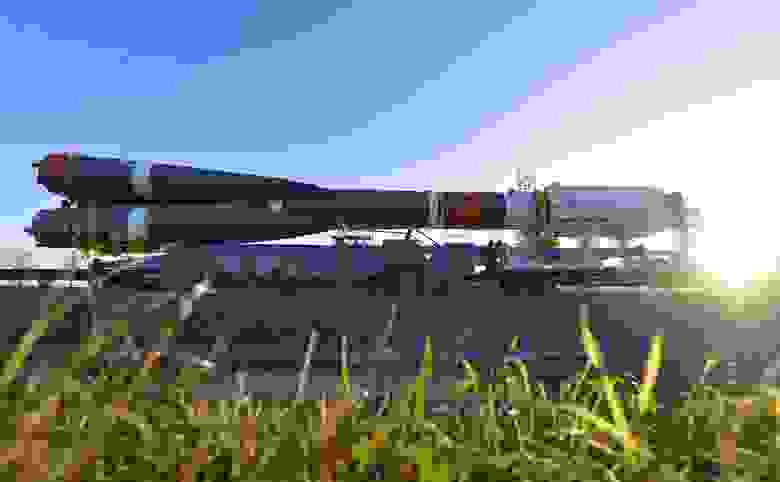
У «Роскосмоса» длинная история, в которой много интересных моментов. Не так давно организации исполнилось уже 26 лет. Официальная дата рождения — 25 февраля 1992 г. Солидный срок для любой организации. Но что собой представляет “Роскосмос”? Очередная «Справочная» расскажет об истории создания организации и некоторых аспектах ее работы, включая, например, планы по созданию орбитальной лунной станции.
Когда появился «Роскосмос»?
Госкорпорация берет свое начало в СССР. Фактически, «Роскосмос» вобрал в себя почти все, что оставалось от космической программы страны, которой сейчас уже нет.
В 1992 году все это было преобразовано в Российское космическое агентство при Правительстве РФ. Новая организация занималась реализацией государственной политикой России в космосе.
Затем эта организация была преобразована в Российское космическое агентство. Через время появилось Российское авиационно-космическое агентство («Росавиакосмос»), которое было создано в 1999 году. Наконец, «Роскосмос» (на то время — федеральное космическое агентство) появился в 2004 году. Правда, в 2014 году из «Роскосмоса» была выведена Объединенная ракетно-космическая корпорация, которую возглавил бывший заместитель директора «Роскосмоса» Игорь Комаров.
Наконец, в 2015 году Правительство РФ приняло решение создать новую государственную корпорацию, которая занялась бы выводом российской космонавтики из кризиса. По мнению чиновников, основными чертами новосозданной организации должны были стать прозрачность, включая схемы управления и финансирования. Кроме того, должны были расширить и сферу деятельности «Роскосмоса».
В итоге президентским законопроектом Госкорпорация по космической деятельности «Роскосмос» стала преемником Министерства общего машиностроения СССР, Российского космического агентства, Российского авиационно-космического агентства а также Федерального космического агентства «Роскосмос». Началом работы организации можно считать введение в работу космодрома «Восточный».
Чем занимается «Роскосмос»?
Функции «Роскосмоса»:
- Разработка планов по освоению ближнего космоса и реализация этих планов;
- Выполнение государственных заказов — например, отправка разного рода грузов в космос (включая людей, да);
- Сотрудничество с международными организациями — космос непрост, осваивать его — дорого, и сообща это делать легче;
- Разработка и испытания разного рода военной техники;
- Эксплуатация космодрома «Байконур» и всех проводимых здесь работ, а также космодрома «Восточный».
Кто руководит «Роскосмосом»?
В 2015 году на должность руководителя вступил Игорь Комаров, который с марта 2014 года возглавлял ОРКК. В мае этого года указом Владимира Путина генеральным директором Государственной корпорации по космической деятельности «Роскосмос» стал Дмитрий Рогозин. Кроме того, управляющим органом является «Наблюдательный совет» корпорации, в котором 11 членов, включая Рогозина, Комарова Сергея Кириенко.
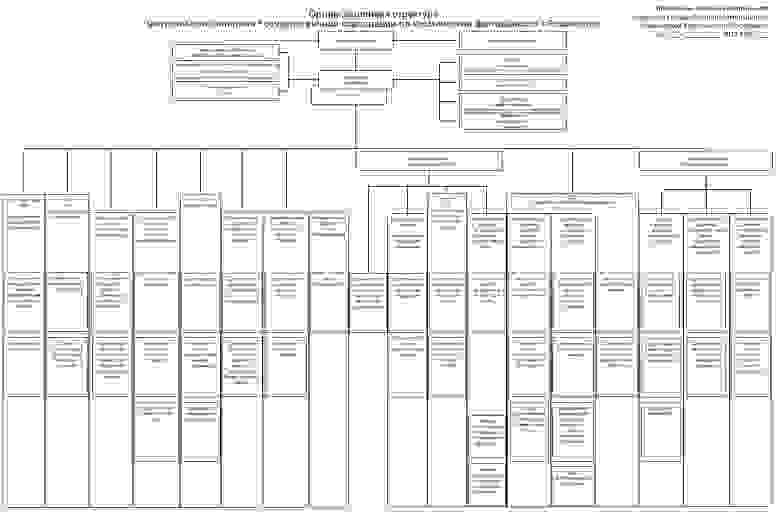
Организационная структура центрального аппарата Государственной корпорации по космической деятельности «Роскосмос». Источник — roskosmos.ru (при клике по изображению оно откроется в оригинальном размере)
Об отношении нового руководителя к сотрудничеству с внешними партнерами можно судить по его высказыванию: «Во первых, мы точно не будем вести никаких переговоров, чтобы навязываться к американцам в партнеры… Конечно, кооперация тут была бы хороша, но не любой ценой, мы точно не пойдем подмастерьями».
Сколько космодромов у «Роскосмоса»?
Сейчас четыре — но часть площадок управляется иными организациями, у «Роскосмоса» к ним есть доступ.
Байконур
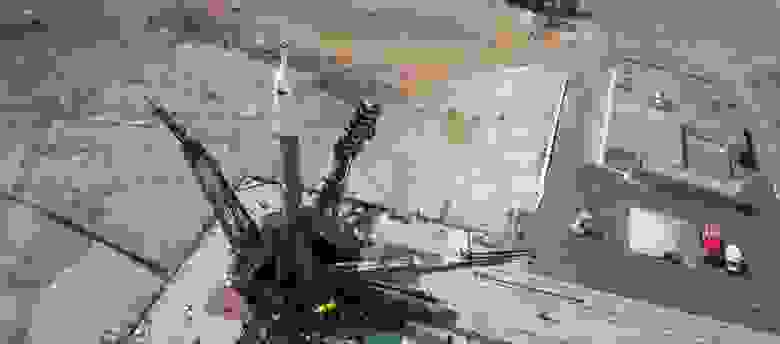
Космодром Байконур — первый и самый крупный в мире космодром. Он расположен в Казахстане. Город Байконур и космодром образуют одноименный комплекс, который арендован Россией у Казахстана. Срок аренды истекает в 2050 году. В год эксплуатация космодрома обходится российскому бюджету в 9 млрд рублей. Из них 7,4 млрд — аренда, 1,5 млрд — поддержание объектов космодрома. Плюс ко всему, Россия вкладывает в бюджет города Байконура около 1,16 млрд рублей в год (это цифра от 2012 года, более точных данных пока нет).
Восточный

Гражданский космодром, отстроенный с нуля. Приказ о его создании был подписан в ноябре 2007 года. Его создали для обеспечения независимого доступа России в космос, гарантированного выполнения космических программ различного назначения, сокращения затрат на космодром Байконур и общего улучшения социально-экономической обстановки в Амурской области.
В 2016 году на космодроме состоялся первый успешный пуск с выводом на орбиту трех искусственных спутников Земли. Ну а к 2021 году планируется запуск пилотируемого корабля «Федерация». Правда, сначала в беспилотном режиме.
Космодром обошелся бюджету в примерно 100 млрд рублей. Всего планируется потратить около 300 млрд. Строительство космодрома сопровождалось (и сопровождается) громкими коррупционными скандалами. Насколько можно судить, похищено было около 8 млрд рублей — но это только хищения, о которых известно.
Плесецк

Это самый северный космодром, который расположен в Плесецком районе Архангельской области России. На космодроме эксплуатируются ракеты-носители лёгкого класса «Ангара-1.2», «Союз-2.1в», «Рокот», среднего класса «Союз-2.1а», «Союз-2.1б», тяжелого класса «Ангара-А5». Технические средства космодрома позволяют проводить запуски различных космических аппаратов на все типы орбит, включая геостационарную.
Куру

Это не российский космодром, «Роскосмос» лишь арендует мощности посредством АО «Главкосмос». Тем не менее, подготовкой российской ракетно-космической техники и обслуживанием наземного технологического оборудования на космодроме в Гвиане осуществляют предприятия «Роскосмоса».
Две трети годового бюджета космодрома финансируется Европейским космическим агентством. Объем затрат из российского бюджета назвать сложно — в открытом доступе мало необходимых данных.
Планы на будущее
У «Роскосмоса» есть утвержденная космическая программа на 2016 — 2025 годы. В ее рамках планируется выполнить следующие задачи:
- Развитие и поддержание орбитальной группировки;
- Обеспечение летных испытаний «Ангары» с пилотируемым транспортным кораблем нового поколения;
- Обеспечение запусков к МКС с космодрома Восточный в 2023 году;
- Разработка ракетного двигателя на метане;
- Создание сверхтяжелой ракеты, способной доставлять в космос более 100 тонн грузов;
- Исследование Солнца в рамках проекта «Резонанс»;
- Фундаментальные космические исследования, в их числе — изучение Луны (планируется отправить к спутнику Земли пять космических аппаратов;
- Участие в программе «Экзомарс»;
- Поддержка работы МКС;
- Сохранение места на мировом рынке космических запусков;
- Создание надувного модуля для МКС.
На эту программу из бюджета выделяется около 1,5 трлн рублей.
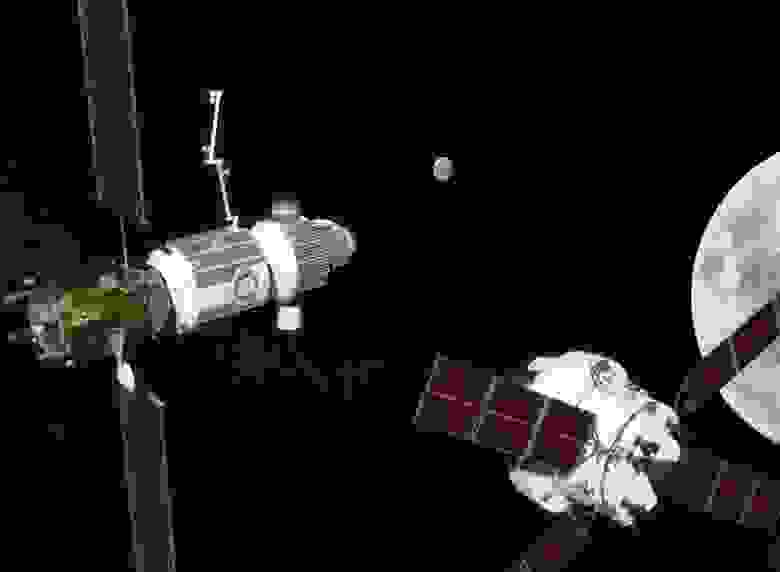
Кроме того, в прошлом году НАСА и Роскосмос подписали заявление об исследовании и разведке дальнего космоса. Обе организации будут принимать участие в строительстве базы Deep Space Gateway в окололунном пространстве. По предварительному плану, эта база станет платформой для путешествия к Марсу и для других космических миссий.
Проблемы «Роскосмоса»
На самом деле, их столько, что для раскрытия полноценной картины нужен полноценный многостраничный доклад. Руководство Роскосмоса существование проблем признает. В прошлом месяце и.о. первого заместителя генерального директора Госкорпорации «Роскосмос» Николай Севастьянов назвал такие проблемы отрасли:
- Систематические переносы сроков.
- Увеличение стоимости проектов.
- Недостаточная надежность техники, которая вредит имиджу.
Причин возникновения проблем (по мнению руководства организации) тоже три:
- Разобщенное управление проектами.
- Некорректное ценообразование. Цены либо слишком низкие, либо слишком высокие.
- Несвоевременная методология контроля качества.
Кроме названных причин можно выделить еще несистемность программы работы организации. К примеру, неоднократно менялись планы по разработке новых ракет-носителей. Не является редкостью ситуация, когда планируется разрабатывать одну ракету, потом программа забрасывается на полпути и начинается разработка второй, иного типа. Именно это случилось с проектом Русь-М. Кроме того, в программе «Роскосмоса» — ракеты Ангара, Союз-5, «Энергия-5В», одноступенчатая ракета Корона.
В ходе своей работы различным ведомствам в рамках «Роскосмоса» приходится договариваться, что-то постоянно согласовывать. Все это приводит к удорожанию всех проектов, распылению средств на сторонние нужды и ухудшению качества реализации проектов. О ряде проблем рассказывает экс-сотрудник «Роскосмоса» в своем комментарии на Хабре.

Сейчас «Роскосмос» еще держится на определенном уровне на рынке услуг запуска грузов и людей в космос. Но во многом это обусловлено использованием советских технологий. Инновации есть, но их немного, а реализация их, по названным выше причинам — дело хлопотное и небыстрое. Сейчас в США и некоторых других странах бурно развивается частная космонавтика, которая даст фору любой государственной космической программе в плане эффективности и бюджета. К сожалению, сейчас Россия отстает от ряда стран по уровню развития космической сферы, хотя ранее опережала почти всех.
Возможно, именно из-за этих проблем появились слухи о скором сокращении бюджета организации на 150 млрд рублей в 2019-2021 годах. По мнению специалистов, если это действительно правда, то поставленные цели и задачи «Роскосмосу» будет сложно выполнить.
This article is about the Russian space program starting from 1992. For the history of earlier Russian spaceflight, see Soviet space program.
| Государственная Корпорация «Роскосмос» | |

Roscosmos’s logo in Russian. |
|

Roscosmos’s logo in English. |
|

Roscosmos’s headquarters in Moscow, Russia. |
|
| Agency overview | |
|---|---|
| Abbreviation | Roscosmos |
| Formed | 25 February 1992; 31 years ago (as the Russian Federal Space Agency) |
| Preceding agency |
|
| Type | Space agency |
| Jurisdiction | Government of Russia |
| Headquarters | Moscow, Russia 55°47′2″N 37°37′50″E / 55.78389°N 37.63056°ECoordinates: 55°47′2″N 37°37′50″E / 55.78389°N 37.63056°E |
| Official language | Russian |
| Administrator | Yury Borisov |
| Primary spaceport |
|
| Owner | Russia |
| Employees | 170,500 (2020) |
| Annual budget |  154 billion₽ (2021)[1] 154 billion₽ (2021)[1] (US$1.92 billion) |
| Website | www.roscosmos.ru Currently broken. See Wayback Machine version [1] |
The State Space Corporation «Roscosmos»[2] (Russian: Государственная корпорация по космической деятельности «Роскосмос»), commonly known simply as Roscosmos (Russian: Роскосмос), is a state corporation of the Russian Federation responsible for space flights, cosmonautics programs, and aerospace research.[3]
Originating from the Soviet space program founded in the 1950s, Roscosmos emerged following the dissolution of the Soviet Union in 1991. It initially began as the Russian Space Agency, which was established on 25 February 1992[4][Note 1] and restructured in 1999 and 2004, as the Russian Aviation and Space Agency[Note 2] and the Federal Space Agency (Roscosmos), respectively.[Note 3][4] In 2015, the Federal Space Agency (Roscosmos) was merged with the United Rocket and Space Corporation, a government corporation, to re-nationalize the Russian space industry, leading to Roscosmos in its current form.[5][6][7]
Roscosmos is headquartered in Moscow, with its main Mission Control Center in the nearby city of Korolyov, and the Yuri Gagarin Cosmonaut Training Center located in Star City in Moscow Oblast. Its launch facilities include Baikonur Cosmodrome in Kazakhstan, the world’s first and largest spaceport, and Vostochny Cosmodrome, which is being built in the Russian Far East in Amur Oblast. Its director since July 2022 is Yury Borisov.[8]
As the main successor to the Soviet space program, Roscosmos’ legacy includes the world’s first satellite, first human spaceflight, and first space station (Salyut). Its current activities include the International Space Station, wherein it is a major partner. On 22 February 2019, Roscosmos announced the construction of its new headquarters in Moscow, the National Space Centre. Its Astronaut Corps is the first in the world’s history.
History[edit]

Patch of the Russian Space Agency, 1991–2004

The Soviet space program did not have central executive agencies. Instead, its organizational architecture was multi-centered; it was the design bureaus and the council of designers that had the most say, not the political leadership. The creation of a central agency after the separation of Russia from the Soviet Union was therefore a new development. The Russian Space Agency was formed on 25 February 1992, by a decree of President Yeltsin. Yuri Koptev, who had previously worked with designing Mars landers at NPO Lavochkin, became the agency’s first director.[9]
In the early years, the agency suffered from lack of authority as the powerful design bureaus fought to protect their own spheres of operation and to survive. For example, the decision to keep Mir in operation beyond 1999 was not made by the agency, but by the private shareholder board of the Energia design bureau. Another example is that the decision to develop the new Angara rocket was rather a function of Khrunichev’s ability to attract resources than a conscious long-term decision by the agency.[9]
Crisis years[edit]
The 1990s saw serious financial problems due to the decreased cash flow, which encouraged the space agency to improvise and seek other ways to keep space programs running. This resulted in the agency’s leading role in commercial satellite launches and space tourism.[citation needed] Scientific missions, such as interplanetary probes or astronomy missions during these years played a very small role, and although the agency had connections with the Russian aerospace forces, its budget was not part of Russia’s defense budget; nevertheless, the agency managed to operate the Mir space station well past its planned lifespan, contributed to the International Space Station, and continued to fly Soyuz and Progress missions.
Start of ISS cooperation in 2000[edit]
On 31 October 2000, a Soyuz spacecraft lifted off from the Baikonur Cosmodrome at 10:53 a.m. Kazakhstan time. On board were Expedition One Commander William M. (Bill) Shepherd of NASA and cosmonauts Sergei Krikalev and Yuri Gidzenko of Roscosmos. The trio arrived at the International Space Station on 2 November, marking the start of an uninterrupted human presence on the orbiting laboratory.[10]
2004: New director[edit]
In March 2004, the agency’s director Yuri Koptev was replaced by Anatoly Perminov, who had previously served as the first commander of the Space Forces.[9][11]
Improved situation in 2005–2006[edit]
The Russian economy boomed throughout 2005 from high prices for exports, such as oil and gas, the outlook for future funding in 2006 appeared more favorable. This resulted in the Russian Duma approving a budget of 305 billion rubles (about US$11 billion) for the Space Agency from January 2006 until 2015, with overall space expenditures in Russia total about 425 billion rubles for the same time period.[12] The budget for 2006 was as high as 25 billion rubles (about US$900 million), which is a 33% increase from the 2005 budget. Under the current 10-year budget approved, the budget of the Space Agency shall increase 5–10% per year, providing the space agency with a constant influx of money. In addition to the budget, Roscosmos plans to have over 130 billion rubles flowing into its budget by other means, such as industry investments and commercial space launches. It is around the time US-based The Planetary Society entered a partnership with Roscosmos.
- New science missions: Koronas Foton (launched in January 2009), Spektr R (RadioAstron, launched in July 2011), Intergelizond (2011), Spektr RG (Roentgen Gamma, 2015), Spektr UV (Ultra Violet, 2016), Spektr M (2018),[13] Celsta (2018) and Terion (2018)
- Resumption of Bion missions with Bion-M (2013)
- New weather satellites Elektro L (launched in January 2011) and Elektro P (2015)[9]
2006–2012[edit]

The federal space budget for the year 2009 was left unchanged despite the global economic crisis, standing at about 82 billion rubles ($2.4 billion).[citation needed] In 2011, the government spent 115 billion rubles ($3.8 bln) in the national space programs.[citation needed]
The proposed project core budget for 2013 to be around 128.3 billion rubles. The budget for the whole space program is 169.8 billion rubles. ($5.6 bln).
By 2015, the amount of the budget can be increased to 199.2 billion rubles.[11]
Priorities of the Russian space program include the new Angara rocket family and development of new communications, navigation and remote Earth sensing spacecraft.[citation needed] The GLONASS global navigation satellite system has for many years been one of the top priorities and has been given its own budget line in the federal space budget. In 2007, GLONASS received 9.9 billion rubles ($360 million), and under the terms of a directive signed by Prime Minister Vladimir Putin in 2008, an additional $2.6 billion will be allocated for its development.[citation needed]
Space station funding issues[edit]
Due to International Space Station involvements, up to 50% of Russia’s space budget is spent on the crewed space program as of 2009. Some observers have pointed out that this has a detrimental effect on other aspects of space exploration, and that the other space powers spend much lesser proportions of their overall budgets on maintaining human presence in orbit.[14]
Despite the considerably improved budget,[when?] attention of legislative and executive authorities, positive media coverage and broad support among the population, the Russian space program continues to face several problems.[15] Wages in the space industry are low; the average age of employees is high (46 years in 2007),[15] and much of the equipment is obsolete.[citation needed] On the positive side, many companies in the sector have been able to profit from contracts and partnerships with foreign companies; several new systems such as new rocket upper stages have been developed in recent years; investments have been made to production lines, and companies have started to pay more attention to educating a new generation of engineers and technicians.[9]
2011: New director[edit]
On 29 April 2011, Perminov was replaced with Vladimir Popovkin as the director of Roscosmos. The 65-year-old Perminov was over the legal age for state officials, and had received some criticism after a failed GLONASS launch in December 2010. Popovkin is a former commander of the Russian Space Forces and First Deputy Defense Minister of Russia.[16]
2013-2015: Reorganization of the Russian space sector[edit]

2022 alternate logo of Roscosmos
As a result of a series of reliability problems, and proximate to the failure of a July 2013 Proton M launch, a major reorganization of the Russian space industry was undertaken. The United Rocket and Space Corporation was formed as a joint-stock corporation by the government in August 2013 to consolidate the Russian space sector. Deputy Prime Minister Dmitry Rogozin said «the failure-prone space sector is so troubled that it needs state supervision to overcome its problems.»[17]
Three days following the Proton M launch failure, the Russian government had announced that «extremely harsh measures» would be taken «and spell the end of the [Russian] space industry as we know it.»[18]
Information indicated then that the government intended to reorganize in such a way as to «preserve and enhance the Roscosmos space agency.»[17]
More detailed plans released in October 2013 called for a re-nationalization of the «troubled space industry,» with sweeping reforms including a new «unified command structure and reducing redundant capabilities, acts that could lead to tens of thousands of layoffs.»[19] According to Rogozin, the Russian space sector employs about 250,000 people, while the United States needs only 70,000 to achieve similar results. He said: «Russian space productivity is eight times lower than America’s, with companies duplicating one another’s work and operating at about 40 percent efficiency.»[19]
Under the 2013 plan, Roscosmos was to «act as a federal executive body and contracting authority for programs to be implemented by the industry.»[17]
In 2016, the state agency was dissolved and the Roscosmos brand moved to the state corporation, which had been created in 2013 as the United Rocket and Space Corporation, with the specific mission to renationalize the Russian space sector.[20]
In 2018, Russian President Vladimir Putin said «it ‘is necessary to drastically improve the quality and reliability of space and launch vehicles’ … to preserve Russia’s increasingly threatened leadership in space.»[21] In November 2018 Alexei Kudrin, head of Russian financial audit agency, named Roscosmos as the public enterprise with «the highest losses» due to «irrational spending» and outright theft and corruption.[22]
In September 2021, Roscosmos announced its revenue and net income, losing 25 billion roubles and 1 billion roubles respectively in 2020, due to the reduction of profit from foreign contracts, an increase in show-up pay, stay-at-home days and personnel health expenses due to the COVID-19 pandemic. According to Roscosmos, these losses would also impact the corporation for the next two years.[23] In October, Roscosmos placed the tests of rocket engines in the engineering bureau of chemical automatics in Voronezh on hold for one month to deliver 33 tons of oxygen to local medical centers, as part of aid for the COVID-19 pandemic.[24]
Future plans[edit]
- In March 2021, Roscosmos signed a memorandum of cooperative construction of a lunar base called the International Lunar Research Station with the China National Space Administration.”[25]
- In April 2021, Roscosmos announced that it will be departing the ISS program after 2024. In its place, it was announced that a new space station (Russian Orbital Service Station) will be constructed starting in 2025.[26]
- In December 2021, Government of Russia confirmed determination of the agreement with Roscosmos for development of next-gen space systems, the document been provided for the officials in July, 2020.[27]
- From 2024 on Roscosmos headquarters will be situated in the new National Space Center in Moscow district of Fili.[28]
Current programs[edit]
ISS involvement[edit]

The Zarya module was the first module of the ISS, launched in 1998.
Roscosmos is one of the partners in the International Space Station program. It contributed the core space modules Zarya and Zvezda, which were both launched by Proton rockets and later were joined by NASA’s Unity Module. The Rassvet module was launched aboard Space Shuttle Atlantis[29] and is primarily used for cargo storage and as a docking port for visiting spacecraft. The Nauka module is the final planned component of the ISS, launch was postponed several times from the initially planned date in 2007,[30] but attached to ISS in July 2021.[31]
Roscosmos is responsible for expedition crew launches by Soyuz-TMA spacecraft and resupplies the space station with Progress space transporters. After the initial ISS contract with NASA expired, Roscosmos and NASA, with the approval of the US government, entered into a space contract running until 2011, according to which Roscosmos will sell NASA spots on Soyuz spacecraft for approximately $21 million per person each way, thus $42 million to and back from the ISS per person, as well as provide Progress transport flights, at $50 million per Progress as outlined in the Exploration Systems Architecture Study.[32] Roscosmos announced that according to this arrangement, crewed Soyuz flights would be doubled to 4 per year and Progress flights doubled to 8 per year beginning in 2008.[needs update][citation needed]
Roscosmos has provided space tourism for fare-paying passengers to ISS through the Space Adventures company. As of 2009, six space tourists have contracted with Roscosmos and have flown into space, each for an estimated fee of at least $20 million (USD).[needs update]
Continued international collaboration in ISS missions has been thrown into doubt by the 2022 Russian invasion of Ukraine and related sanctions on Russia.[33]
Scientific programs[edit]
Roscosmos operates a number of programs for Earth science, communication, and scientific research. Future projects include the Soyuz successor, the Prospective Piloted Transport System, scientific robotic missions to one of the Mars moons as well as an increase in Lunar orbit research satellites.
- Luna-Glob Moon orbiter and lander, planned for 2022
- Venera-D Venus lander, planned for 2029
- Fobos-Grunt Mars mission, lost in low Earth orbit in 2012
- Mars 96 Mars mission, lost in low Earth orbit in 1996
Rockets[edit]
Roscosmos uses a family of several launch rockets, the most famous of them being the R-7, commonly known as the Soyuz rocket that is capable of launching about 7.5 tons into low Earth orbit (LEO). The Proton rocket (or UR-500K) has a lift capacity of over 20 tons to LEO. Smaller rockets include Rokot and other Stations.
Currently rocket development encompasses both a new rocket system, Angara, as well as enhancements of the Soyuz rocket, Soyuz-2 and Soyuz-2-3. Two modifications of the Soyuz, the Soyuz-2.1a and Soyuz-2.1b have already been successfully tested, enhancing the launch capacity to 8.5 tons to LEO.
Operational[edit]
| Vehicle | Manufacturer | Payload mass (kg) | Maiden flight | Total launches | Notes | ||
| LEO | GTO | Other | |||||
| Angara 1.2 | Khrunichev | 3.500 | 2.400 to SSO | 9 July 2014 | 1 | ||
| Angara A5 | Khrunichev | 24.000 | 7.500 with KVTK
5.400 with Briz-M |
23 December 2014 | 2 | ||
| Proton-M | Khrunichev | 23.000 | 6.920 | 3.250 to GSO | 7 April 2001 | 114 | To be replaced by the new Angara |
| Soyuz-2.1a | Progress Rocket Space Centre | 7.020 from Baikonur
7.800 from Kourou |
2.810 from Kourou | 4.230 to SSO from Kourou | 8 November 2004 | 52 | Capable of human spaceflight.
Launched from Kourou is called Soyuz ST-A: greater load due to lower latitude |
| Soyuz-2.1b | Progress Rocket Space Centre | 8.200 from Baikonur
9.000 from Kourou |
2.400 from Baikonur
3.250 from Kourou |
4.900 to SSO from Kourou
2.720 to TLI from Kourou |
27 December 2006 | 61 | Capable of human spaceflight.
Launched from Kourou is called Soyuz ST-B |
| Soyuz-2.1v | Progress Rocket Space Centre | 2.800 | 28 December 2013 | 7 |
Under development[edit]
| Vehicle | Manufacturer | Payload mass (kg) | Planned maiden flight | Notes | ||
| LEO | GTO | Other | ||||
| Amur | KB Khimavtomatika | 10.500 reusable
12.500 expendable |
2026 | First reusable methalox Russian rocket | ||
| Irtysh/Soyuz-5 | Progress Rocket Space Centre | 18.000 crewed
15.500 uncrewed |
5000 | 2024 | Base of the SHLLV Yenisei | |
| Yenisei | RSC Energia
Progress Rocket Space Centre |
103.000 | 26000 | 27000 to TLI | 2028 | First super-heavy launch vehicle being developed by the Russian space industry since the fall of the USSR |
| Don | RSC Energia
Progress Rocket Space Centre |
140.000 | 29500 | 33000 to TLI | 2032-2035 | Based on the Yenisei launch vehicle, the Don launch vehicle (RN STK-2) is being developed by adding another stage |
New piloted spacecraft[edit]
One of Roscosmos’s projects that was widely covered in the media in 2005 was Kliper, a small lifting body reusable spacecraft. While Roscosmos had reached out to ESA and JAXA as well as others to share development costs of the project, it also stated that it will go forward with the project even without the support of other space agencies. This statement was backed by the approval of its budget for 2006–2015, which includes the necessary funding of Kliper. However, the Kliper program was cancelled in July 2006,[34] and has been replaced by the new Orel project. As of 2021, no crafts were launched.
Space systems[edit]

«Resurs-P»[35] is a series of Russian commercial Earth observation satellites capable of acquiring high-resolution imagery (resolution up to 1.0 m). The spacecraft is operated by Roscosmos as a replacement of the Resurs-DK No.1 satellite.
Create HEO space system «Arctic» to address the hydrological and meteorological problems in the Arctic region and the northern areas of the Earth, with the help of two spacecraft «Arktika-M» and in the future within the system can create a communications satellite «Arktika-MS» and radar satellites «Arktika-R.»[36]
The launch of two satellites «Obzor-R» (Review-R) Remote Sensing of the Earth, with the AESA radar and four spacecraft «Obzor-O» (Review-O) to capture the Earth’s surface in normal and infrared light in a broad swath of 80 km with a resolution of 10 meters. The first two satellites of the projects planned for launch in 2015.[citation needed]
Gonets: Civilian low Earth orbit communication satellite system. On 2016, the system consists of 13 satellites (12 Gonets-M and 1 Gonets-D1).[37]
Deep space network[edit]
Since 1991, Russia inherited and maintains a large network of deep space network after the collapse of Soviet Union.[38]
Gecko mating experiment[edit]
On 19 July 2014, Roscosmos launched the Foton-M4 satellite containing, among other animals and plants, a group of five geckos.[39][40] The five geckos, four females and one male, were used as a part of the Gecko-F4 research program aimed at measuring the effects of weightlessness on the lizards’ ability to procreate and develop in the harsh environment. However, soon after the spacecraft exited the atmosphere, mission control lost contact with the vessel which led to an attempt to reestablish communication that was only achieved later in the mission. When the satellite returned to Earth after its planned two-month mission had been cut short to 44 days, the space agency researchers reported that all the geckos had perished during the flight.
The exact cause that led to the deaths of the geckos was declared unknown by the scientific team in charge of the project. Reports from the Institute of Medical and Biological Problems in Russia have indicated that the lizards had been dead for at least a week prior to their return to Earth. A number of those connected to the mission have theorized that a failure in the vessel’s heating system may have caused the cold blooded reptiles to freeze to death.
Included in the mission were a number of fruit flies, plants, and mushrooms which all survived the mission.[41]
Launch control[edit]
The Russian Space Forces is the military counterpart of the Roscosmos with similar mission objectives as of the United States Space Force. The Russian branch was formed after the merging of the space components of the Russian Air Force and the Aerospace Defense Forces (VKO) in 2015. The Space Forces controls Russia’s Plesetsk Cosmodrome launch facility. Roscosmos and the Space Forces share control of the Baikonur Cosmodrome, where Roscosmos reimburses the VKO for the wages of many of the flight controllers during civilian launches. Roscosmos and the Space Forces also share control of the Yuri Gagarin Cosmonaut Training Center. It has been announced that Russia is to build another spaceport in Tsiolkovsky, Amur Oblast.[42] The Vostochny Cosmodrome is scheduled to be finished by 2018.
Subsidiaries[edit]
As of 2017, Roscosmos had the following subsidiaries:[43]
- United Rocket and Space Corporation
- Strategicheskiye Punkty Upravleniya
- Glavcosmos
- Salavat Chemical Plant
- Turbonasos
- Moscow Institute of Thermal Technology
- IPK Mashpribor
- NPO Iskra
- Makeyev Rocket Design Bureau
- All-Russian Scientific Research Institute of Electromechanics
- Information Satellite Systems Reshetnev
- Russian Space Systems
- Sistemy precizionnogo priborostroenia
- Progress Rocket Space Centre
- Chemical Automatics Design Bureau
- NPO Energomash
- Proton-PM
- Tekhnicheskiy Tsentr Novator
- AO EKHO
- NIIMP-K
- TSKB Geofizika
- Osoboye Konstruktorskoye Byuro Protivopozharnoy Tekhniki
- Tsentralnoye Konstruktorskoye Byuro Transportnogo Mashinostroyeniya
- NII komandnykh priborov
- NPO Avtomatiki
- Zlatoust Machine-Building Plant
- Krasnoyarsk Machine-Building Plant
- Miass Machine-Building Plant
- Moskovskiy zavod elektromekhanicheskoy apparatury
- Nauchno-issledovatelskiy Institut Elektromekhaniki
- NPO Novator
- PKP IRIS
- NPP Geofizika-Kosmos
- NPP Kvant
- NPP Polyus
- Ispytatelnyy tekhnicheskiy tsentr — NPO PM
- NPO PM — Maloye Konstruktorskoye Byuro
- NPO PM — Razvitiye
- Sibpromproyekt
- Scientific Research Institute of Precision Instruments
- NIIFI
- NPO Izmeritelnoy Tekhniki
- OKB MEI
- 106 Experimental Optical and Mechanical Plant
- OAO Bazalt
- Nauchno-inzhenernyy tsentr elektrotekhnicheskogo universiteta
- Khrunichev State Research and Production Space Center
- NPO Tekhnomash
- Keldysh Research Center
- Arsenal Design Bureau
- MOKB Mars
- NTTS Okhrana
- NII Mashinostroyeniya
- NPO Lavochkin
- Scientific Production Association Of Automation And Instrument-Building
- OKB Fakel
- MNII Agat
- TsNIIMash
- Centre for Operation of Space Ground-based Infrastructure (TsENKI)
- NTTS Zarya
- Gagarin Research and Test Cosmonaut Training Centre (Gagarin TsPK)
- NITs RKP
See also[edit]
- United Rocket and Space Corporation
- American space program
- Russian space industry
- Ministry of general Machine Building of the Soviet Union
- TsNIIMash (Russian: ЦНИИмаш) is the Central Research Institute of Machine Building, an institute of the Russian aeronautics and space formed in 1946
- List of Russian aerospace engineers
- Timeline of Russian inventions and technology records
- International Space Olympics
- Medal «For Merit in Space Exploration»
- List of government space agencies
Explanatory notes[edit]
- ^ Russian: Российское космическое агентство, Rossiyskoye kosmicheskoye agentstvo, or RKA (Russian: РКА).
- ^ Russian: Российское авиационно-космическое агентство, Rossiyskoye aviatsionno-kosmicheskoye agentstvo, commonly known as Rosaviakosmos (Russian: Росавиакосмос), established on 25 May 1999.
- ^ Russian: Федеральное космическое агентство (Роскосмос), Federalnoye kosmicheskoye agentstvo (Roskosmos).
References[edit]
- ^ ««Роскосмосу» разрешили не возвращать в бюджет часть доходов». 2 October 2020. Archived from the original on 22 February 2022. Retrieved 22 February 2022.
- ^ «State space corporation ROSCOSMOS |». en.roscosmos.ru. Archived from the original on 21 January 2017. Retrieved 10 December 2021.
- ^ Federation, International Astronautical. «IAF : ROSCOSMOS». www.iafastro.org. Archived from the original on 9 February 2022. Retrieved 9 February 2022.
- ^ a b «25 февраля 1992 года образовано Российское космическое агентство, в настоящее время – Федеральное космическое агентство (Роскосмос)». Archived from the original on 20 October 2020. Retrieved 10 August 2020.
- ^ «Путин подписал указ об упразднении Федерального космического агентства». Archived from the original on 23 February 2020. Retrieved 10 August 2020.
- ^ Avaneesh Pandey (28 December 2015). «Russia’s Federal Space Agency Dissolved, Responsibilities To Be Transferred To State Corporation». International Business Times. Archived from the original on 8 September 2016. Retrieved 28 December 2015.
- ^ «Vladimir Putin abolishes Russian space agency Roscosmos». The Financial Express. 28 December 2015. Archived from the original on 1 January 2016.
- ^ «Dmitry Rogozin has been dismissed as director general of Roscosmos». 15 July 2022. Archived from the original on 18 July 2022. Retrieved 19 July 2022.
- ^ a b c d e Harvey, Brian (2007). «The design bureaus». The Rebirth of the Russian Space Program (1st ed.). Germany: Springer. ISBN 978-0-387-71354-0.
- ^ Loff, Sarah (28 October 2015). «Oct. 31, 2000, Launch of First Crew to International Space Station». NASA. Archived from the original on 18 September 2020. Retrieved 24 January 2020.
- ^ a b Бюджет на 2013 год предполагает рекордное финансирование космонавтики Archived 9 March 2016 at the Wayback Machine. Spacecorp.ru. Retrieved 2 August 2013.
- ^ «Russian govt agrees 12.5 bln eur 10-yr space programme». Forbes. 15 July 2005. Archived from the original on 1 May 2007.
- ^ ВЗГЛЯД / Российские ученые создали новую технологию для космических телескопов Archived 6 October 2013 at the Wayback Machine. Vz.ru. Retrieved 2 August 2013.
- ^ Afanasyev, Igor; Dmitri Vorontsov (1 November 2009). «Building on sand?The Russian ISS segment is to be completed by 2016». Russia & CIS Observer. Archived from the original on 28 February 2012. Retrieved 3 January 2010.
- ^ a b «Russia’s Space Program in 2006: Some Progress but No Clear Direction». Moscow Defense Brief. 2006. Archived from the original on 27 August 2007. Retrieved 23 August 2009.
- ^ «Space Agency Chief Replaced». The Moscow Times. 3 May 2011. Archived from the original on 24 January 2016. Retrieved 3 May 2011.
- ^ a b c Messier, Doug (30 August 2013). «Rogozin: Russia to Consolidate Space Sector into Open Joint Stock Company». Parabolic Arc. Archived from the original on 14 February 2017. Retrieved 1 September 2013.
- ^ Nilolaev, Ivan (3 July 2013). «Rocket failure to lead to space industry reform». Russia Behind The Headlines. Archived from the original on 25 August 2013. Retrieved 1 September 2013.
- ^ a b Messier, Doug (9 October 2013). «Rogozin Outlines Plans for Consolidating Russia’s Space Industry». Parabolic Arc. Archived from the original on 10 June 2017. Retrieved 11 October 2013.
- ^ Kelly Dickerson (28 December 2015). «Vladimir Putin just signed a decree to replace Russia’s space agency». Tech Insider. Archived from the original on 31 December 2015. Retrieved 29 December 2015.
- ^ Putin challenges Roscosmos to «drastically improve» on space and launch Archived 24 February 2023 at the Wayback Machine, SpaceNews, 20 July 2018, accessed 21 July 2018.
- ^ «Алексей Кудрин назвал «Роскосмос» рекордсменом по финансовым нарушениям — Meduza». Meduza (in Russian). Archived from the original on 25 November 2018. Retrieved 26 November 2018.
- ^ «В 2020 году чистая прибыль Роскосмоса сократилась в 42 раза» (in Russian). Коммерсантъ. 30 September 2021. Archived from the original on 11 October 2021. Retrieved 12 October 2021.
- ^ «Роскосмос прекратил испытания двигателей ради кислорода для больниц Воронежа» (in Russian). Ведомости. 10 October 2021. Archived from the original on 10 October 2021. Retrieved 12 October 2021.
- ^ Jones, Andrew (9 March 2021). «China, Russia enter MoU on international lunar research station». spacenews.com. Archived from the original on 24 February 2023. Retrieved 12 March 2021.
- ^ «Russia plans to launch own space station after quitting ISS». Reuters. 21 April 2021. Archived from the original on 25 October 2021. Retrieved 25 October 2021.
- ^ «Правительство расторгнет с Роскосмосом договор о перспективных системах» (in Russian). Интерфакс. 8 December 2021. Archived from the original on 13 December 2021. Retrieved 13 December 2021.
- ^ «Московский офис Роскосмоса достроят в 2023 году» (in Russian). Интерфакс. 15 February 2022. Archived from the original on 15 February 2022. Retrieved 15 February 2022.
- ^ Chris Gebhardt (9 April 2009). «STS-132: PRCB baselines Atlantis’ mission to deliver Russia’s MRM-1». NASAspaceflight.com. Archived from the original on 8 October 2016. Retrieved 12 November 2009.
- ^ ««Роскосмос» сообщил дату запуска следующего российского модуля на МКС» [Roscosmos announces the launch date of the next Russian module on the ISS] (in Russian). RIA Novosti. 23 May 2020. Archived from the original on 3 June 2020. Retrieved 30 July 2021.
- ^ Harding, Pete (29 July 2021). «MLM Nauka docks to ISS, malfunctions shortly thereafter». NASASpaceFlight. Archived from the original on 31 December 2021. Retrieved 30 July 2021.
- ^ «NASA Signs $44m Deal with Russia for Soyus Rides to ISS — NEWS — MOSN…». Archived from the original on 10 January 2006.
- ^ Witze, Alexandra (11 March 2022). «Russia’s invasion of Ukraine is redrawing the geopolitics of space». Nature. doi:10.1038/d41586-022-00727-x. PMID 35277688. S2CID 247407886. Archived from the original on 13 March 2022. Retrieved 13 March 2022.
- ^ www.flightglobal.com
- ^ Zak, Anatoly. «Resurs-P remote-sensing satellite». RussianSpaceWeb. Archived from the original on 7 October 2019. Retrieved 29 June 2013.
- ^ ВЗГЛЯД / Роскосмос начал создание космической системы «Арктика» Archived 22 November 2018 at the Wayback Machine. Vz.ru (2012-10-16). Retrieved 2 August 2013.
- ^ «Russia completes its Gonets orbital group». Archived from the original on 8 August 2016. Retrieved 31 March 2015.
- ^ «Uzbekistan, Russia to sign Suffa observatory completion plan». Tashkent Times. 16 October 2018. Archived from the original on 9 March 2022. Retrieved 24 November 2019.
- ^ Brumfiel, Geoff (2 September 2014). «Russian Space Experiment On Gecko Sex Goes Awry». KPBS. Archived from the original on 22 April 2019. Retrieved 30 September 2014.
- ^ Nichols, Mary (2 September 2014). «Russia’s Orbiting Sex Experiment Geckos Die In Space». Design & Trend. Archived from the original on 6 October 2014.
- ^ «Sex geckos die in orbit on Russian space project». BBC News. 2 September 2014. Archived from the original on 2 January 2020. Retrieved 21 June 2018.
- ^ Solovyov, Dmitry (28 April 2016). «Russia launches first rocket from new spaceport at second attempt». Reuters. Archived from the original on 16 April 2020. Retrieved 15 July 2016.
- ^ «О мерах по созданию Государственной корпорации по космической деятельности «Роскосмос»«. Pravo.gov.ru. Archived from the original on 16 April 2017. Retrieved 1 August 2017.
External links[edit]

Wikimedia Commons has media related to Roscosmos.
- (In Russian and English) Roscosmos official site
- Russian Space Program
https://ria.ru/20220225/roskosmos-1774689359.html
Государственная корпорация «Роскосмос»
Государственная корпорация «Роскосмос» — РИА Новости, 25.02.2022
Государственная корпорация «Роскосмос»
Роскосмос – государственная корпорация, созданная в августе 2015 года для проведения комплексной реформы ракетно-космической отрасли России. РИА Новости, 25.02.2022
2022-02-25T00:26
2022-02-25T00:26
2022-02-25T00:26
справки
роскосмос
россия
/html/head/meta[@name=’og:title’]/@content
/html/head/meta[@name=’og:description’]/@content
https://cdnn21.img.ria.ru/images/07e5/08/1a/1747355173_0:169:3043:1881_1920x0_80_0_0_f127629153021f6ad3efacda0218d0ca.jpg
Роскосмос – государственная корпорация, созданная в августе 2015 года для проведения комплексной реформы ракетно-космической отрасли России. Она ведет свою историю от подписанного 25 февраля 1992 года указа президента Российской Федерации об учреждении Российского космического агентства при правительстве РФ. Оно пришло на смену Министерства общего машиностроения, курировавшего ракетно-космическую промышленность СССР. 30 сентября 1992 года Российское космическое агентство при правительстве РФ было реорганизовано в Российское космическое агентство (РКА), которое в 1999 году преобразовали в Российское авиационно-космическое агентство (Росавиакосмос). 9 марта 2004 года на основании указа президента РФ путем преобразования из Российского авиационно-космического агентства было организовано Федеральное космическое агентство (ФКА, Роскосмос). ФКА обеспечивало реализацию государственной политики в области исследования и использования космического пространства в мирных целях, в рамках международного сотрудничества участвовало в совместных космических проектах и программах, выполнении Федеральной космической программы России, а также в проведении ракетно-космической промышленностью работ в целях обеспечения обороны и безопасности РФ. В структуре отрасли находилось более 200 крупных предприятий и научно-исследовательских центров, в том числе космодром Плесецк. Роскосмос занимался также общей координацией работ, проводимых на космодроме Байконур в Казахстане, участвовал в создании нового космодрома Восточный, совместно с министерством обороны РФ осуществлял размещение государственного заказа на разработку, производство и поставку космической техники двойного назначения и объектов космической инфраструктуры, осуществлял запуски космических аппаратов и др. 2 декабря 2013 года, в связи с назревшей необходимостью реформы ракетно-космической отрасли, президентом РФ был подписан указ о создании Объединенной ракетно-космической корпорации (ОРКК) на базе ОАО «НИИ космического приборостроения». Предполагалось, что в ОРКК войдут все предприятия отрасли, а в Роскосмосе останутся отраслевые научные институты и организации наземной инфраструктуры. В марте 2014 года ОРКК была выделена из федерального космического агентства. В мае 2015 года правительством было принято решение создать новую государственную корпорацию, на которую ляжет задача вывода российской космонавтики из кризиса. 13 июля 2015 года вступил в силу Федеральный закон «О Государственной корпорации по космической деятельности «Роскосмос».Корпорация была наделена функцией уполномоченного органа управления в сфере космической деятельности от имени России. 28 декабря 2015 года Федеральное космическое агентство упразднили. Указом президента РФ от 12 мая 2016 года был определен перечень организаций госкорпорации «Роскосмос», акции которых подлежали передаче госкорпорации в качестве имущественного взноса Российской Федерации. Таким образом, госкорпорация «Роскосмос» стала правопреемником Министерства общего машиностроения СССР, Российского космического агентства, Российского авиационно-космического агентства и Федерального космического агентства. В состав Госкорпорации «Роскосмос» входят 75 организаций. Ее генеральным директором с 2018 года является Дмитрий Рогозин. Сегодня Госкорпорация «Роскосмос» обеспечивает реализацию государственной политики в области космической деятельности и ее нормативно-правовое регулирование, а также размещает заказы на разработку, производство и поставку космической техники и объектов космической инфраструктуры. В функции государственной корпорации также входит развитие международного сотрудничества в космической сфере и создание условий для использования результатов космической деятельности в социально-экономическом развитии России. В 2021 году Роскосмос обеспечил проведение 25 пусков ракет космического назначения: 14 – с космодрома Байконур, пять – с Восточного, пять – с Плесецка, один – из Гвианского космического центра. Было выведено на орбиты 340 космических аппаратов. По программе Международной космической станции (МКС) в 2021 году были отправлены три пилотируемых корабля «Союз МС», а также три грузовых корабля «Прогресс МС».Среди них – полеты в рамках научно-просветительского проекта «Вызов» и с участием двух туристов из Японии. Этим пуском Роскосмос возобновил туристические полеты в космос после 12-летнего перерыва. По российской программе исследований в 2021 году выполнено более 1200 сеансов в рамках 56 различных экспериментов. Кроме того, были осуществлены запуски и стыковки с МКС многоцелевого лабораторного модуля «Наука» и узлового модуля «Причал», завершившие строительство российского сегмента станции. По состоянию на 1 января 2022 года орбитальная группировка социально-экономического, научного и двойного назначения России насчитывает 102 аппарата: 25 «Глонассов», 25 аппаратов дистанционного зондирования Земли (12 по Федеральной космической программе и 13 малых космических аппаратов), 42 аппарата связи, вещания и ретрансляции, два научных аппарата и восемь модулей МКС. Продолжается строительство космодрома Восточный. Первая очередь – стартовый комплекс для ракет «Союз» готов и эксплуатируется. В 2018 году на Восточном началось строительство стартового комплекса для «Ангары», которое планируется завершить в 2022 году. Роскосмос совместно с правительством Москвы ведет строительство комплекса зданий Национального космического центра (НКЦ) на территории Государственного космического научно-производственного центра имени М.В. Хруничева по поручению президента РФ, озвученного им во время ежегодного послания Федеральному собранию в феврале 2019 года. Создание НКЦ позволит сконцентрировать на одной площадке ряд ключевых организаций ракетно-космической промышленности – центральный офис и ситуационный центр госкорпорации «Роскосмос», отраслевые институты и предприятия, в настоящее время разбросанные по всей Москве. Кроме того, в состав НКЦ войдут современный образовательный комплекс, молодежные конструкторские бюро, центр поддержки бизнеса, выставочные центры, центр диверсификации производства.Материал подготовлен на основе информации РИА Новости и открытых источников
россия
РИА Новости
internet-group@rian.ru
7 495 645-6601
ФГУП МИА «Россия сегодня»
https://xn--c1acbl2abdlkab1og.xn--p1ai/awards/
2022
Новости
ru-RU
https://ria.ru/docs/about/copyright.html
https://xn--c1acbl2abdlkab1og.xn--p1ai/
РИА Новости
internet-group@rian.ru
7 495 645-6601
ФГУП МИА «Россия сегодня»
https://xn--c1acbl2abdlkab1og.xn--p1ai/awards/
https://cdnn21.img.ria.ru/images/07e5/08/1a/1747355173_157:0:2888:2048_1920x0_80_0_0_1c273fb0a3c2db84b2a71d0cd672399b.jpg
РИА Новости
internet-group@rian.ru
7 495 645-6601
ФГУП МИА «Россия сегодня»
https://xn--c1acbl2abdlkab1og.xn--p1ai/awards/
справки, роскосмос, россия
Справки, Роскосмос, Россия
Государственная корпорация «Роскосмос»
Роскосмос – государственная корпорация, созданная в августе 2015 года для проведения комплексной реформы ракетно-космической отрасли России.
Она ведет свою историю от подписанного 25 февраля 1992 года указа президента Российской Федерации об учреждении Российского космического агентства при правительстве РФ. Оно пришло на смену Министерства общего машиностроения, курировавшего ракетно-космическую промышленность СССР.
30 сентября 1992 года Российское космическое агентство при правительстве РФ было реорганизовано в Российское космическое агентство (РКА), которое в 1999 году преобразовали в Российское авиационно-космическое агентство (Росавиакосмос). 9 марта 2004 года на основании указа президента РФ путем преобразования из Российского авиационно-космического агентства было организовано Федеральное космическое агентство (ФКА, Роскосмос).
ФКА обеспечивало реализацию государственной политики в области исследования и использования космического пространства в мирных целях, в рамках международного сотрудничества участвовало в совместных космических проектах и программах, выполнении Федеральной космической программы России, а также в проведении ракетно-космической промышленностью работ в целях обеспечения обороны и безопасности РФ. В структуре отрасли находилось более 200 крупных предприятий и научно-исследовательских центров, в том числе космодром Плесецк. Роскосмос занимался также общей координацией работ, проводимых на космодроме Байконур в Казахстане, участвовал в создании нового космодрома Восточный, совместно с министерством обороны РФ осуществлял размещение государственного заказа на разработку, производство и поставку космической техники двойного назначения и объектов космической инфраструктуры, осуществлял запуски космических аппаратов и др.
2 декабря 2013 года, в связи с назревшей необходимостью реформы ракетно-космической отрасли, президентом РФ был подписан указ о создании Объединенной ракетно-космической корпорации (ОРКК) на базе ОАО «НИИ космического приборостроения». Предполагалось, что в ОРКК войдут все предприятия отрасли, а в Роскосмосе останутся отраслевые научные институты и организации наземной инфраструктуры. В марте 2014 года ОРКК была выделена из федерального космического агентства.
В мае 2015 года правительством было принято решение создать новую государственную корпорацию, на которую ляжет задача вывода российской космонавтики из кризиса. 13 июля 2015 года вступил в силу Федеральный закон «О Государственной корпорации по космической деятельности «Роскосмос».
Корпорация была наделена функцией уполномоченного органа управления в сфере космической деятельности от имени России. 28 декабря 2015 года Федеральное космическое агентство упразднили.
Указом президента РФ от 12 мая 2016 года был определен перечень организаций госкорпорации «Роскосмос», акции которых подлежали передаче госкорпорации в качестве имущественного взноса Российской Федерации. Таким образом, госкорпорация «Роскосмос» стала правопреемником Министерства общего машиностроения СССР, Российского космического агентства, Российского авиационно-космического агентства и Федерального космического агентства.
В состав Госкорпорации «Роскосмос» входят 75 организаций.
Ее генеральным директором с 2018 года является Дмитрий Рогозин.
Сегодня Госкорпорация «Роскосмос» обеспечивает реализацию государственной политики в области космической деятельности и ее нормативно-правовое регулирование, а также размещает заказы на разработку, производство и поставку космической техники и объектов космической инфраструктуры. В функции государственной корпорации также входит развитие международного сотрудничества в космической сфере и создание условий для использования результатов космической деятельности в социально-экономическом развитии России.
В 2021 году Роскосмос обеспечил проведение 25 пусков ракет космического назначения: 14 – с космодрома Байконур, пять – с Восточного, пять – с Плесецка, один – из Гвианского космического центра. Было выведено на орбиты 340 космических аппаратов.
По программе Международной космической станции (МКС) в 2021 году были отправлены три пилотируемых корабля «Союз МС», а также три грузовых корабля «Прогресс МС».
Среди них – полеты в рамках научно-просветительского проекта «Вызов» и с участием двух туристов из Японии. Этим пуском Роскосмос возобновил туристические полеты в космос после 12-летнего перерыва.
По российской программе исследований в 2021 году выполнено более 1200 сеансов в рамках 56 различных экспериментов. Кроме того, были осуществлены запуски и стыковки с МКС многоцелевого лабораторного модуля «Наука» и узлового модуля «Причал», завершившие строительство российского сегмента станции.
По состоянию на 1 января 2022 года орбитальная группировка социально-экономического, научного и двойного назначения России насчитывает 102 аппарата: 25 «Глонассов», 25 аппаратов дистанционного зондирования Земли (12 по Федеральной космической программе и 13 малых космических аппаратов), 42 аппарата связи, вещания и ретрансляции, два научных аппарата и восемь модулей МКС.
Продолжается строительство космодрома Восточный. Первая очередь – стартовый комплекс для ракет «Союз» готов и эксплуатируется. В 2018 году на Восточном началось строительство стартового комплекса для «Ангары», которое планируется завершить в 2022 году.
Роскосмос совместно с правительством Москвы ведет строительство комплекса зданий Национального космического центра (НКЦ) на территории Государственного космического научно-производственного центра имени М.В. Хруничева по поручению президента РФ, озвученного им во время ежегодного послания Федеральному собранию в феврале 2019 года. Создание НКЦ позволит сконцентрировать на одной площадке ряд ключевых организаций ракетно-космической промышленности – центральный офис и ситуационный центр госкорпорации «Роскосмос», отраслевые институты и предприятия, в настоящее время разбросанные по всей Москве. Кроме того, в состав НКЦ войдут современный образовательный комплекс, молодежные конструкторские бюро, центр поддержки бизнеса, выставочные центры, центр диверсификации производства.
Материал подготовлен на основе информации РИА Новости и открытых источников